Follow Us |Facebook
Call or Text for a Consultation



Recent Blog Posts
How a Personal Injury Attorney Can Help After a Car Accident
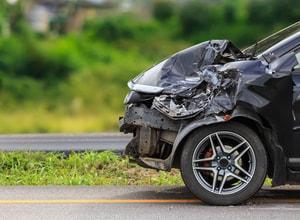 After getting into a car accident, there are many things a person must do to get their life back to normal. An insurance claim must be filed, their car may be out of service, and time may be required to heal from injuries. Even a car accident with minimal damage and no injuries requires significant efforts, so what happens after a serious car accident where negligent activity makes you a victim?
Has Negligence Increased?
According to the United States Department of Transportation, car accident fatalities overall rose in Illinois last year. In fact, they have been gradually rising over time. Relaxed seat belt regulations and increased speed limits may be partially to blame, but variant degrees of negligence is the most probable cause for a rise in car accidents. Distracted driving has always existed, but technological advancements have created new distractions. Touching a cell-phone while driving in Illinois is illegal, and these distracted drivers can cost someone their life.
What is the Workers’ Compensation Process in Illinois
 When it comes to work accidents, they are treated (differently) than an injury that occurred at another private property. If a person slips in a grocery store and breaks their leg, they may be able to sue the store for negligence. When an employee is injured, instead of filing a personal injury lawsuit against their employer, workers’ compensation kicks in instead. Whether a workplace accident is caused by an employee or employer, the employee is eligible for benefits and unable to sue the employer. They may, however, sue any third-parties associated with the injury occurrence.
What Benefits Does Workers’ Compensation Provide?
Workers’ compensation is meant to help employees if they are injured on the job and cannot return to work, and/or require medical treatment. Any eligible employee has the right to file for workers’ compensation benefits, but they will not be granted for injuries that a basic first aid kit can cover. Depending on how long the employee needs to restrain from work, and their working abilities after an accident, they will be provided with a replacement wage. For any medical treatment required to heal the injury or illness caused by work, it will be at no cost to the employee.
Filing a Claim Against Uninsured or Underinsured Motorists
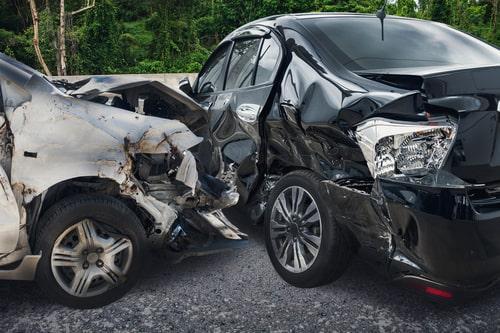 We get insurance for a variety of reasons. It is a financial investment toward risk management. People will insure valuables, their health, or even other people for worst-case scenario situations. Not every insurance situation will cover 100% of damages, but they will lessen the financial burden after an illness, death, or stolen item. In Illinois, automobile insurance is required by law. When a car accident happens, it is the party that caused the accident’s responsibility to provide compensation for damaged property, medical bills, or pain and suffering. An insured driver will have assistance with this, but what happens when crashes involve uninsured or underinsured motorists?
What Are the Minimum Insurance Requirements?
There are minimum requirements for all auto drivers in the state of Illinois. All drivers are required to be insured at a minimum of the following:
Top Causes of Pedestrian Accidents
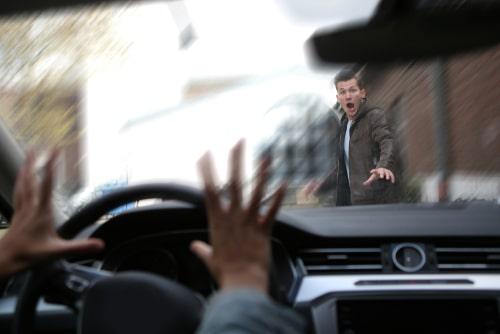 While walking to work or going for a run, a person traveling by foot in close proximity to the road is considered a pedestrian. Most destinations require some walking, even if a person drives, so It is almost impossible to avoid being a pedestrian at one time or another. Unfortunately, this health and environmentally conscious form of transportation still has the potential for an accident, and like car and truck accidents, there are common causes.
The United States Department of Transportation reported in 2017 that there were 5,977 pedestrians killed in traffic accidents. Every 88 minutes it is estimated that a pedestrian dies as the result of getting hit by a motor vehicle. According to the same data, a pedestrian accident is most likely to happen in an urban area outside of an intersection at night. The highest percentages of accidents happen after the sun goes down, time depending on the season.
Tips for Driving Safely Around Trucks
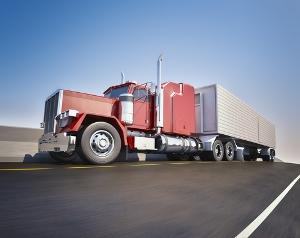 Truck accidents are serious and often fatal to drivers in passenger cars. In 2017, over 4,000 victims died as a result of truck accidents. Although truck drivers can face fatalities, other people on the road are much more likely to have fatal accidents. There are several reasons why a truck accident may happen that is the sole responsibility of the truck driver or company. We cannot control the driving of others, but taking precautions around trucks can save your life.
Truck drivers and their vehicles go through long stretches of work. If a vehicle is poorly maintained, it can cause an accident that is completely out of the driver’s control. There are work limits for truck drivers to help eliminate fatigue on the road. However, there are often pressures from companies to fulfill a shipment within required times. These are cases where the truck driver or company would be negligent, and if an accident happened, the fault would be on them. These tips will help prevent accidents altogether and may eliminate your responsibility.
What Rights Family Members Have After a Wrongful Death
 It is possible to lose many family members during the span of a person’s life. Whether of old age, disease, or an accident, it is never easy to lose someone you love. Some losses can be expected and prepared for, but what happens when a family member dies unexpectedly due to someone else’s negligence? A wrongful death lawsuit can be filed by the victim's family if they believe someone can be held accountable for their death. It is similar to a personal injury lawsuit, except the next of kin files for compensation instead of the person injured.
The compensation sought in a wrongful death case is for medical bills of the deceased, funeral expenses, loss of wages, and loss of emotional support caused by the unexpected death of a family member. A family may be losing their main financial support which can put them at risk to debt and other unfortunate circumstances.
The spouse of the deceased or the next of kin has the immediate right to collect damages. An adopted child is considered a next of kin as a natural-born child would. If the deceased does not have a spouse or children, the person who supported medical treatment may be eligible for some compensation. A personal representative must be assigned to the deceased’s estate to move forward with a wrongful death claim. The personal representative may be entitled to some compensation if the deceased has no spouse or next of kin. Otherwise, the damages will be awarded to the immediate family for their care.
Types of Car Accident Injuries
It is impossible to get through life without getting injured at some point. An injury may be mild and solved with a band-aid, but on the other hand, a serious injury can put a person out of work for a significant amount of time. Due to the size and force of automobiles, a car accident could put a victim in this situation. The good news is, when a person is significantly injured by someone else, they have been eligible for compensation through a personal injury lawsuit.
Personal injury has a wide umbrella of circumstances behind it. A patient who is injured by their doctor may be eligible, or a consumer who got hurt because of a faulty product. The key, in any case, is proving negligence. This is when an individual or company is liable because of their actions. Regarding car accidents, a person who was drinking under the influence, speeding, or otherwise driving recklessly, may be considered negligent in the event of a crash.
The Dangers of Dog Bites
 Dogs can provide comfort as pets, and some have additional professional duties such as being a service animal for a disabled person. It is easy to forget that dogs are animals with their thoughts and feelings, and that is when dog bites happen. The average dog can exert 269 pounds of pressure with a single bite, so when a dog is provoked, the physical damage can be serious.
Children are especially susceptible to dog bites. A young child may not be aware of the warning a dog gives off, and may not understand personal boundaries. Because children are smaller, an injury from a dog can be more severe, and they are at a higher risk of infection. Children should always be supervised with animals, even ones they are familiar with. Half of all dog bites occur from a familiar dog or family pet.
Why Are Dog Bites Dangerous?
Like any external wound, a dog has the chance to get infected. However, due to the force of a bite and bacteria in a dog’s mouth, most dog bites that break the skin do get infected. This can include Staphylococcus or Pasteurella, which require antibiotic treatment. These bacteria may not affect the dog but are present in their saliva. Dog bites can get bacteria as deep as muscle and bone layers, on top of the already physical damage. After a dog bite, the most important step is to clean the wound for this reason.
How Serious Are Slip and Fall Accidents?
 It is easy to mistake footing and trip, but what happens if a slip and fall is caused by property owners’ negligence? Property owners have a responsibility to keep their home or business safe for other invited occupants. A slip and fall may not sound like a big deal, but they can leave permanent damage, or even death, to a victim. If trauma is caused to an individual because of negligence, they may be eligible for compensation for medical bills, pain and suffering, and lost wages.
What Is Negligence?
In regards to property, negligence is knowing about or ignoring an issue, that caused a person to get hurt. Property owners, both private and businesses, are expected to keep reasonable maintenance of a property for the safety of invited parties. A personal injury case relies on the plaintiff being able to prove negligence. For example, if a person slips in a grocery store and sustains a head injury, they may have a case for negligence if there was no wet floor warning. Who is allowed on the property is also a contributing factor in whether someone can call negligence. If someone trespasses in an abandoned barn and the floor collapses, and the trespasser obtains a head injury, the property owner would not likely be held liable because the injured person was breaking the law.
How Common Are Motorcycle Accidents?
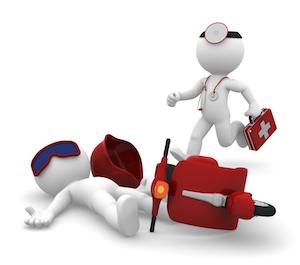 Motorcycle ownership has many benefits compared to relying on a car for transportation. They are lighter, cost-effective in fuel, and often require less financial investment upfront than a car. However, many people avoid motorcycle use due to the associated dangers behind it, and the fear of getting in a motorcycle accident.
Despite the benefits of motorcycle ownership, they do provide less protection to drivers and riders than a standard car. Cars have a full external shell as well as added safety precautions such as airbags. To combat this, responsible motorcycle riders often wear safety gear. Helmets are not required in Illinois for adult riders but are one of the most impactful steps a motorcycle driver can take in regards to safety. A helmet may not completely prevent a head injury in the event of a crash, but it could keep a person alive. Heavy-duty jackets, boots, and gloves will also help protect a rider.
Location
9631 W. 153rd St., Suite 32,
Orland Park, IL 60462
Phone
708-966-2408
Social Media

Contact Us Today
Call our office at 708-966-2408 or fill out our online contact form to get legal help with criminal defense or personal injury matters.
 The use of the Internet or this form for communication with the firm or any individual member of the firm does not establish an attorney-client relationship. Confidential or time-sensitive information should not be sent through this form.
I have read and understand the Disclaimer and Privacy Policy.
9631 W. 153rd St., Suite 32, Orland Park, IL 60462
708-966-2408

